
Schedule Your Free Estimate
Residential Generator Terminology Guide: Generator Terms to Know
Shopping for a generator can introduce you to a long list of unfamiliar words. If you're new to residential generators, it's easy to feel overwhelmed by product specifications, installation discussions, and maintenance recommendations. Learning common residential generator terminology can help you compare systems, understand recommendations from contractors, and feel more confident when investing in backup power for your home.
This guide breaks down the most important generator terms to know into simple, homeowner-friendly definitions. Whether you're considering your first standby system or simply want to better understand your existing equipment, these residential generator terms will help you make informed decisions.
Generator Terms Every Homeowner Should Know
Before exploring the technical side of generators, it's helpful to understand the words you'll hear most often during the buying and installation process. Terms include:
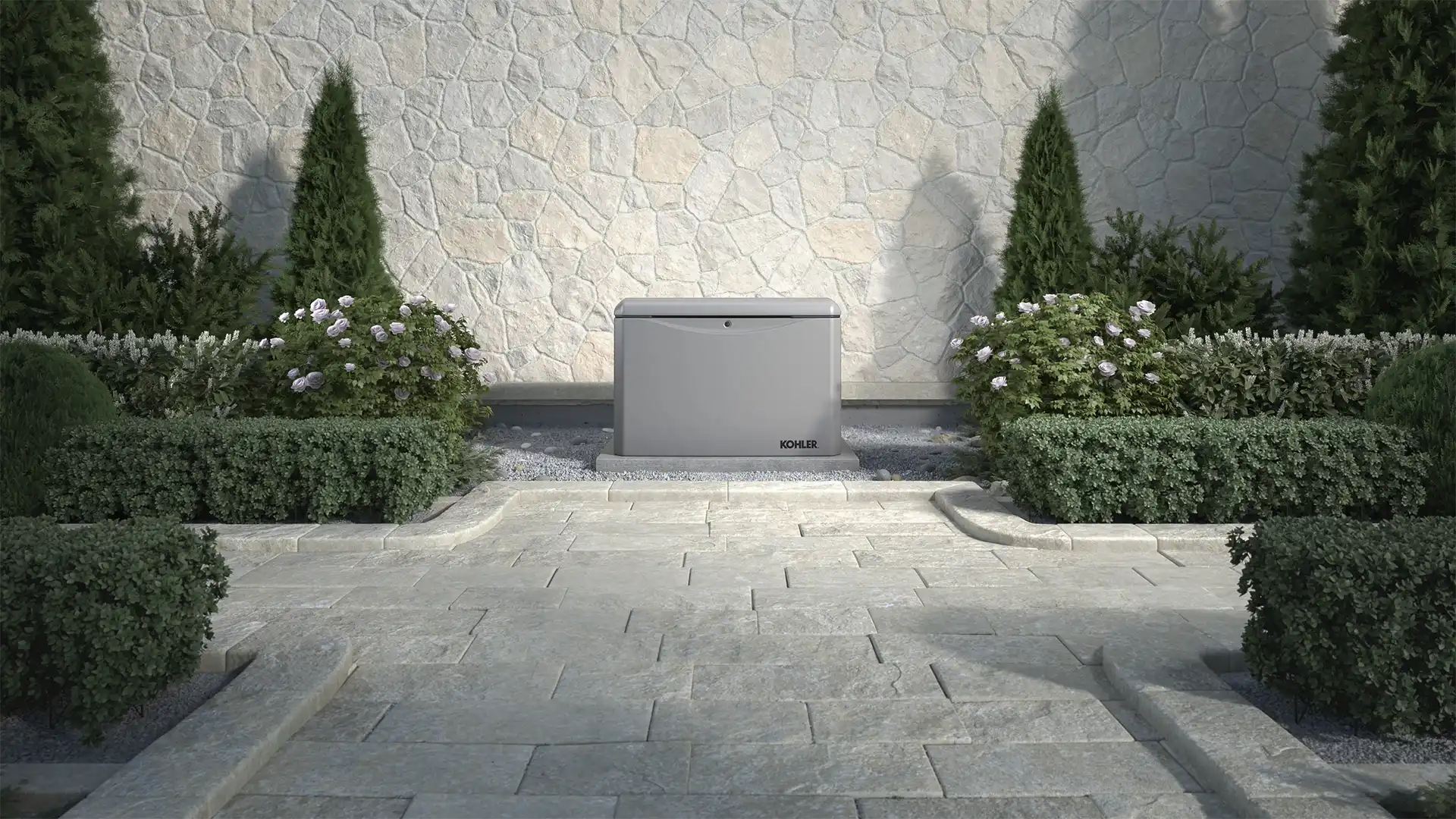
- Standby generator – A standby generator is permanently installed outside your home and automatically supplies electricity when utility power fails.
- Whole-home generator – A whole-home generator powers nearly every electrical circuit in your house during an outage.
- Backup generator – A backup generator is any generator that supplies electricity when the power goes out. Depending on the system, it may be permanently installed or portable.
- Portable generator – A portable generator is a movable unit that temporarily powers selected appliances or devices. It requires manual setup and should always be operated outdoors in a well-ventilated area.
- Transfer switch – A transfer switch safely changes your home's electrical supply from the utility company to the generator during an outage.
- Automatic transfer switch – An automatic transfer switch detects a power outage and starts the standby generator without requiring any action from the homeowner.
Basic Residential Generator Terms
Understanding the following residential generator terminology makes it easier to read product descriptions and installation recommendations. Terminology includes:
- Generator enclosure – The generator enclosure is the weather-resistant housing that protects the internal components from rain, wind, debris, and other outdoor conditions. It also helps reduce operating noise.
- Control panel – The control panel displays important information about the generator's performance and operating status. Many modern systems also allow remote monitoring through a mobile app.
- Engine – The engine converts fuel into mechanical energy that powers the generator. It is one of the primary components responsible for reliable operation.
- Alternator – The alternator transforms mechanical energy from the engine into usable electrical power for your home. Without it, the generator cannot produce electricity.
- Circuit – A circuit is a pathway that carries electricity to lights, outlets, and appliances throughout your home. During an outage, selected circuits receive power from the generator.
- Outage – An outage occurs when your utility company temporarily stops supplying electricity to your home. Storms, accidents, and equipment failures are common causes.
- Remote monitoring – Remote monitoring allows homeowners or service technicians to check generator performance using a computer or mobile device.
- Load shedding – Load shedding temporarily pauses lower-priority appliances if power demand becomes too high. This helps prevent the generator from becoming overloaded.
Power & Capacity Terms
Generator specifications often include measurements that describe how much electricity the unit can safely produce. These are some of the most important generator terms to know when comparing systems:
- Kilowatt (kW) – A kilowatt is the standard measurement used to describe a generator's power output. Choosing the correct kilowatt rating helps ensure your generator can handle your home's electrical needs.
- Electrical load – Electrical load refers to the total amount of electricity your home requires at a specific time. Larger homes with more appliances generally have higher electrical loads.
- Starting watts – Starting watts are the extra power some appliances need when they first turn on. Equipment such as air conditioners and refrigerators typically require more power during startup than during normal operation.
- Running watts – Running watts measure the continuous amount of electricity an appliance uses after it has started. This number helps determine how much power your generator must supply over time.
- Load management – Load management helps prioritize essential appliances while temporarily limiting less important electrical demands. This allows a properly sized generator to operate more efficiently.
- Essential circuits – Essential circuits are the electrical circuits selected to receive backup power during an outage. They often include refrigerators, HVAC equipment, lighting, internet equipment, and medical devices.
- Capacity – Capacity refers to the maximum amount of electricity a generator can safely produce. Understanding capacity helps homeowners choose equipment that matches their household needs.
Fuel & Runtime Terms
Fuel selection affects generator performance, convenience, and maintenance. Understanding these residential generator terms can help homeowners compare available options:
- Fuel source – A fuel source is the material the generator uses to produce electricity. Residential standby generators commonly operate on natural gas or propane.
- Natural gas – Natural gas is delivered through underground utility lines and provides a continuous fuel supply for many homes. This can be especially helpful during extended power outages.
- Propane – Propane is stored in an outdoor tank and is a popular option for homes without natural gas service. It burns cleanly and can support dependable generator performance.
- Runtime – Runtime is the amount of time a generator can continue operating before additional fuel or maintenance is required. Longer runtime is beneficial during extended outages.
- Fuel efficiency – Fuel efficiency describes how effectively a generator converts fuel into electricity. Better fuel efficiency can reduce fuel consumption during long periods of operation.
- Exercise cycle – An exercise cycle is a scheduled self-test that many standby generators perform automatically. These brief tests help verify that the generator is ready when an outage occurs.
- Fuel consumption – Fuel consumption measures how much fuel a generator uses while operating. The amount varies depending on the electrical load and generator size.
Installation & Safety Terms
Professional installation plays an important role in generator reliability and safe operation. Becoming familiar with these home generator parts names and installation terms helps homeowners better understand the installation process:
- Generator pad – A generator pad is a stable concrete or composite base that supports the generator. It helps keep the equipment level and secure.
- Automatic startup – Automatic startup allows the generator to begin operating as soon as it detects a utility power outage. Homeowners do not need to manually start the system.
- Utility power – Utility power is the electricity normally supplied by your local electric company. The generator automatically takes over when this power is interrupted.
- Electrical panel – The electrical panel distributes electricity to the circuits throughout your home. During generator operation, it receives backup power through the transfer switch.
- Code compliance – Code compliance means the generator installation follows local building and electrical regulations. Meeting these requirements helps improve safety and reliability.
- Ventilation – Proper ventilation allows heat and exhaust gases to safely leave the generator while it is operating. Good airflow is essential for safe performance.
- Carbon monoxide protection – Carbon monoxide protection includes safety features and proper installation practices that reduce the risk of dangerous exhaust gases entering your home.
- Professional installation – Professional installation ensures the generator, fuel connections, and electrical components are installed correctly. Experienced technicians also test the system before it is placed into service.
Maintenance & Service Terms
Like any major home system, standby generators require regular care to remain dependable. These maintenance-related generator terms to know can help homeowners understand service recommendations:
- Preventive maintenance – Preventive maintenance includes routine inspections and servicing before problems develop.
- Service plan – A service plan schedules routine maintenance throughout the year to keep the generator operating properly. It can also help identify potential issues before they become major problems.
- Warranty – A warranty is the manufacturer's promise to cover certain defects or equipment issues for a specified period.
- Oil change – An oil change replaces old engine oil with fresh oil to keep internal components properly lubricated. Following the recommended service schedule helps extend engine life.
- Battery inspection – A battery inspection checks whether the generator's battery is strong enough to start the system during an outage. Weak batteries can prevent reliable operation.
- Filter replacement – Filter replacement keeps clean air and oil flowing through the generator. Replacing worn filters helps maintain efficient engine performance.
- Diagnostic testing – Diagnostic testing allows technicians to evaluate the generator's performance and identify potential concerns.
- Repair – Repairs restore damaged or worn components so the generator can operate correctly again. Addressing small issues early may help prevent larger problems later.
- Scheduled maintenance – Scheduled maintenance is completed at manufacturer-recommended intervals based on time or operating hours.
Let’s Talk About Home Generator Options
Understanding residential generator terminology gives homeowners greater confidence when researching backup power solutions, comparing equipment, or discussing installation with professionals.
If you're considering a standby generator or need expert assistance maintaining your current system, Storm Guardian Generators can help. Our experienced team can answer your questions, recommend the right equipment for your home's electrical needs, perform professional installation, and keep your generator operating reliably with ongoing maintenance and service. Contact Storm Guardian Generators today to learn more about dependable residential backup power solutions.