
Schedule Your Free Estimate
Will a Whole-House Generator Work During an Austin Ice Storm?
Austin homeowners know that winter weather can create problems that go well beyond cold temperatures. Freezing rain can coat tree branches and power lines with ice, causing limbs to fall and electrical equipment to become damaged. When utility crews have to address widespread damage, some neighborhoods may experience extended power outages. If your home depends on electricity for heating, refrigeration, and other essential systems, losing power during a winter storm can quickly become uncomfortable.
So, will a whole-house generator work during an Austin ice storm? Yes. A properly installed and maintained whole-house standby generator can provide backup electricity during extended utility outages. These systems are designed to operate automatically when utility power is interrupted, allowing your home to continue receiving electricity without waiting for the grid to come back online. However, cold-weather preparation matters. Understanding how your generator operates in freezing conditions can help you avoid problems when you need backup power most.
How Does a Whole-House Generator Work During an Ice Storm?
A whole-house generator provides an independent source of electricity for your home when the utility supply becomes unavailable. Unlike a portable generator that requires manual setup, a permanently installed standby system works with an automatic transfer switch to respond to power interruptions. When the transfer switch detects a loss of utility electricity, it signals the generator to start. Once the generator reaches the appropriate operating conditions, the transfer switch moves your home's electrical load to the backup system. This process typically happens within seconds.
The generator continues supplying electricity until utility service returns. Once the transfer switch detects that normal power has been restored, it moves your home back to utility electricity and the generator shuts down automatically. This automatic operation is especially helpful during an ice storm. You won't need to go outside in freezing rain to start equipment or connect extension cords. Your backup power system can respond while you remain safely inside.
Can a Whole-House Generator Handle Freezing Rain and Ice?
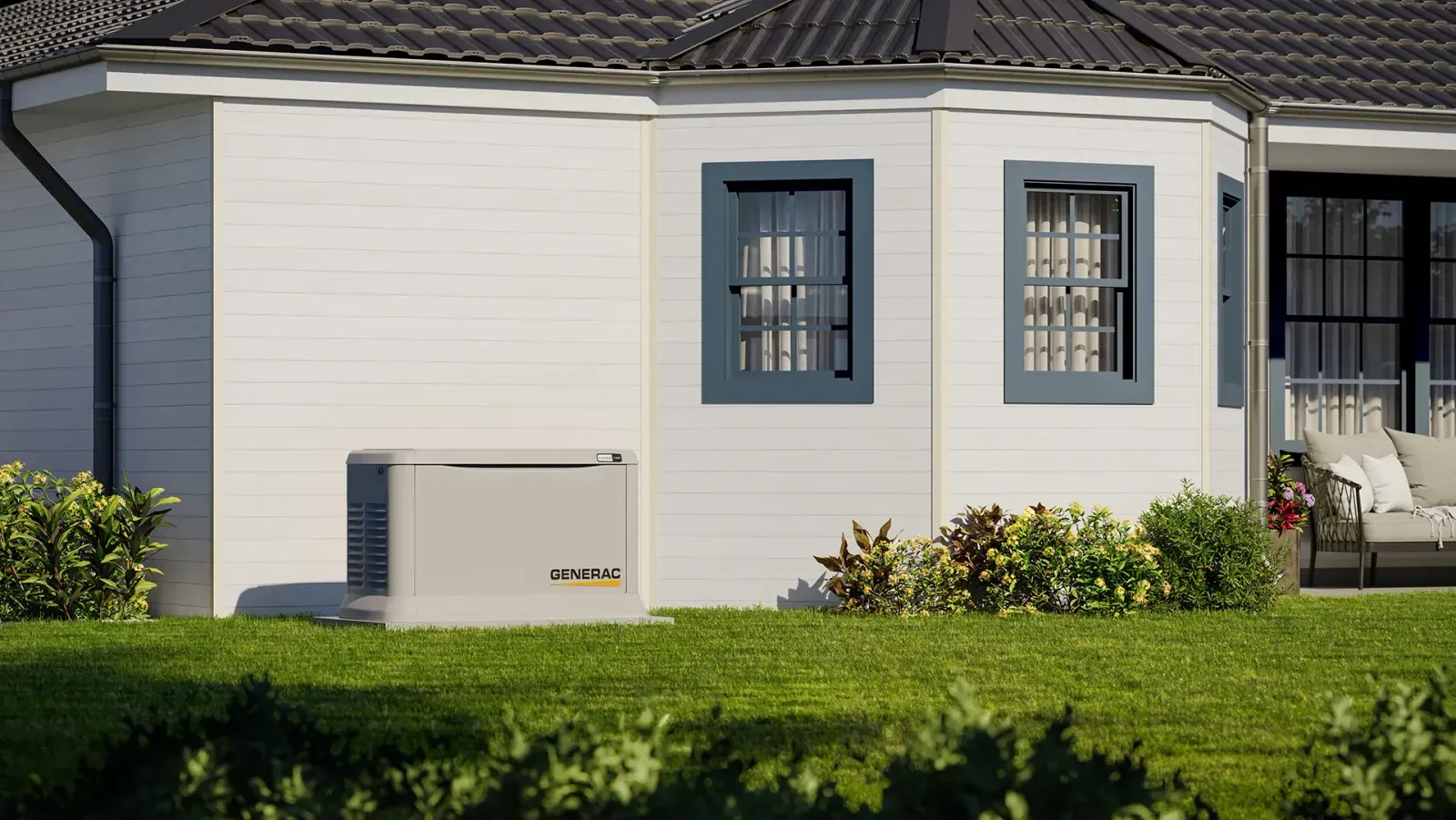
Modern standby generators are designed for outdoor installation and have weather-resistant enclosures. Generac whole-house generators, for example, include weather-resistant design features intended to support operation in demanding outdoor conditions. That doesn't mean a generator is completely immune to severe winter weather. Heavy ice accumulation can create problems around the installation area, particularly if falling branches or other debris damage the equipment.
Keep the Generator Clear of Ice and Debris
Your generator needs adequate clearance for airflow and exhaust. Ice-covered branches can fall near the unit, while accumulated debris may obstruct areas needed for proper operation. Before winter weather arrives, inspect the area around your generator. Remove loose branches and other obstructions, and make sure the equipment isn't surrounded by stored items or landscaping that could interfere with access.
Never attempt to chip ice away from generator components or force open frozen equipment. Follow the manufacturer's instructions for clearing snow and ice, and contact a qualified technician if you suspect the unit has sustained damage.
Don't Cover the Generator With a Tarp
You might think covering your generator with a tarp during freezing rain will provide additional protection, but an improvised cover can interfere with ventilation and create unsafe operating conditions. Standby generators are designed with outdoor operation in mind. Keep the enclosure intact and follow the manufacturer's recommendations rather than adding coverings that weren't designed for your equipment.
What Happens If Ice Brings Down Austin Power Lines?
One of the biggest concerns during an Austin ice storm is damage to the electrical distribution system. Ice accumulation can weigh down tree limbs and overhead lines, potentially causing localized outages that take time to resolve. A whole-house generator can help your home maintain electricity while utility crews work on repairs. Because the generator operates independently of the normal utility supply, your home doesn't have to wait for the damaged lines to be repaired before backup power becomes available.
The automatic transfer switch also plays an important safety role. It separates your home's electrical system from utility power when the generator is supplying electricity. This prevents generator power from feeding back into utility lines, which could create dangerous conditions for electrical workers.
It's important to remember that a generator only provides backup electricity to your property. It won't restore power to your neighbors or prevent damage to the electrical grid. If you see a downed power line, stay away and report it to the appropriate utility provider. Never approach a line to inspect damage, even if it appears inactive.
Will Your Generator Keep Running During an Extended Winter Outage?
A generator's ability to operate through a lengthy outage depends on its fuel supply, equipment condition, and maintenance history. These factors deserve attention before winter weather reaches Central Texas.
Natural Gas and Propane Fuel Options
Whole-house generators installed by Storm Guardian Generators can operate using natural gas or liquid propane. Each fuel configuration has different considerations when preparing for an extended outage.
Natural gas generators connect to a property's gas supply, so homeowners don't have to arrange regular refueling the way they would with a portable gasoline generator. However, generator operation still depends on an adequate fuel supply. Natural gas service and pressure shouldn't be assumed to remain unaffected by every emergency.
Propane generators rely on an on-site fuel supply. The available runtime depends on tank capacity and how much fuel the generator consumes under its operating load. Homeowners should understand their tank capacity and arrange fuel delivery before severe weather makes travel difficult.
Neither fuel option guarantees unlimited operation. Ask one of our experts about expected fuel consumption and the requirements of your specific model.
Generator Capacity Affects What You Can Power
A whole-house generator needs to be appropriately sized for your home's electrical demands. If your goal is to keep heating equipment, refrigeration, lighting, and other major systems operating, your generator must have sufficient capacity to support those loads. Some systems also include power management technology that prioritizes electrical loads to help manage available generator capacity.
Storm Guardian Generators can evaluate your home's power requirements and help you select an appropriately sized system. This is especially important if you're planning to run multiple large appliances during an extended winter outage.
How to Prepare Your Whole-House Generator for an Austin Freeze
You don't want to discover a maintenance problem when freezing rain is already falling. Taking time to inspect your backup power system before winter arrives can help identify issues that might interfere with operation.
Here are some practical steps to consider:
- Schedule preventative maintenance – Have a qualified technician inspect your generator and address any service needs before winter weather arrives.
- Check the battery – The starting battery needs to be in good condition so the generator can respond when utility power fails.
- Review the fuel supply – Confirm that your natural gas connection or propane supply is ready to support generator operation.
- Inspect the installation area – Remove debris and check for branches that could fall onto the equipment.
- Check the exercise cycle – Make sure your generator's automatic testing schedule is functioning and that there aren't any warning indicators.
- Test remote monitoring – If your system includes Generac Mobile Link, verify that you can access generator status information through the app.
At Storm Guardian Generators, we recommend professional generator maintenance to help keep your equipment ready for unexpected outages. Generac also provides cold-weather preparation guidance that includes checking the battery, oil, air filter, and fuel connections. Always follow the maintenance schedule and operating instructions for your particular generator model.
Can a Whole-House Generator Prevent Frozen Pipes?
A standby generator can help reduce the risk of frozen pipes by keeping your home's heating system operational during an outage. If your heating equipment is connected to the generator and has sufficient backup capacity, it can continue maintaining indoor temperatures while utility power is unavailable. However, having a generator doesn't eliminate the need for winter plumbing precautions. Pipes located in exterior walls, unheated spaces, or exposed areas may still be vulnerable to freezing.
Homeowners should insulate vulnerable plumbing, know where the main water shutoff is located, and take additional precautions recommended by local authorities when freezing temperatures are expected. If your heating system stops working or your home becomes too cold to remain in safely, follow local emergency guidance rather than relying exclusively on backup power.
Get Your Austin Home Ready for the Next Ice Storm
An Austin ice storm can create difficult conditions for homeowners, especially when freezing rain damages utility infrastructure and leaves neighborhoods without electricity. A whole-house generator gives you another source of power when the grid goes down, helping your household maintain access to essential electrical systems. The key is having the right equipment installed and keeping it properly maintained before severe weather arrives.
Storm Guardian Generators installs Generac and KOHLER whole-house generators for homeowners throughout Austin and the surrounding Central Texas area. Our team can evaluate your home's electrical requirements, help you compare available systems, and provide professional installation and ongoing maintenance. Don't wait until the next winter storm is in the forecast to think about backup power. Contact Storm Guardian Generators today to request a free estimate and find out which whole-house generator is right for your Austin home.